


Our Production Techniques: Precision Engineering from Yarn to Finished Garment
Every great garment starts long before the first stitch is sewn. It starts with a choice, the right production technique for the right design. Get it wrong and you end up with fabric that pills after three washes, seams that pucker, or sizing that drifts from batch to batch. Get it right and your customers notice, even if they can’t quite explain why everything simply feels better.
At VASTAE, we don’t offer a one-size-fits-all production line. We match each garment to the manufacturing method that brings out its full potential, whether that’s a lightweight jersey tee that needs to retain its shape through repeated wear or a fully-fashioned sweater that drapes like it was tailored to the body. Every piece is crafted with precision, consistency, and a level of care that shows in the finished product.
Why Production Techniques Matter More Than You Think
Here’s something most brands learn the hard way: two identical designs, produced using different techniques, can look and feel like entirely different products. The manufacturing method you choose affects everything from how the fabric moves on the body to how it ages over time.
Our team ensures you never have to learn that lesson through costly mistakes. We review every tech pack with fresh eyes, recommend the optimal technique based on your design, fabric, and budget, and run sampling before committing to production. The result is fewer surprises, faster approvals, and collections that perform exactly as intended.
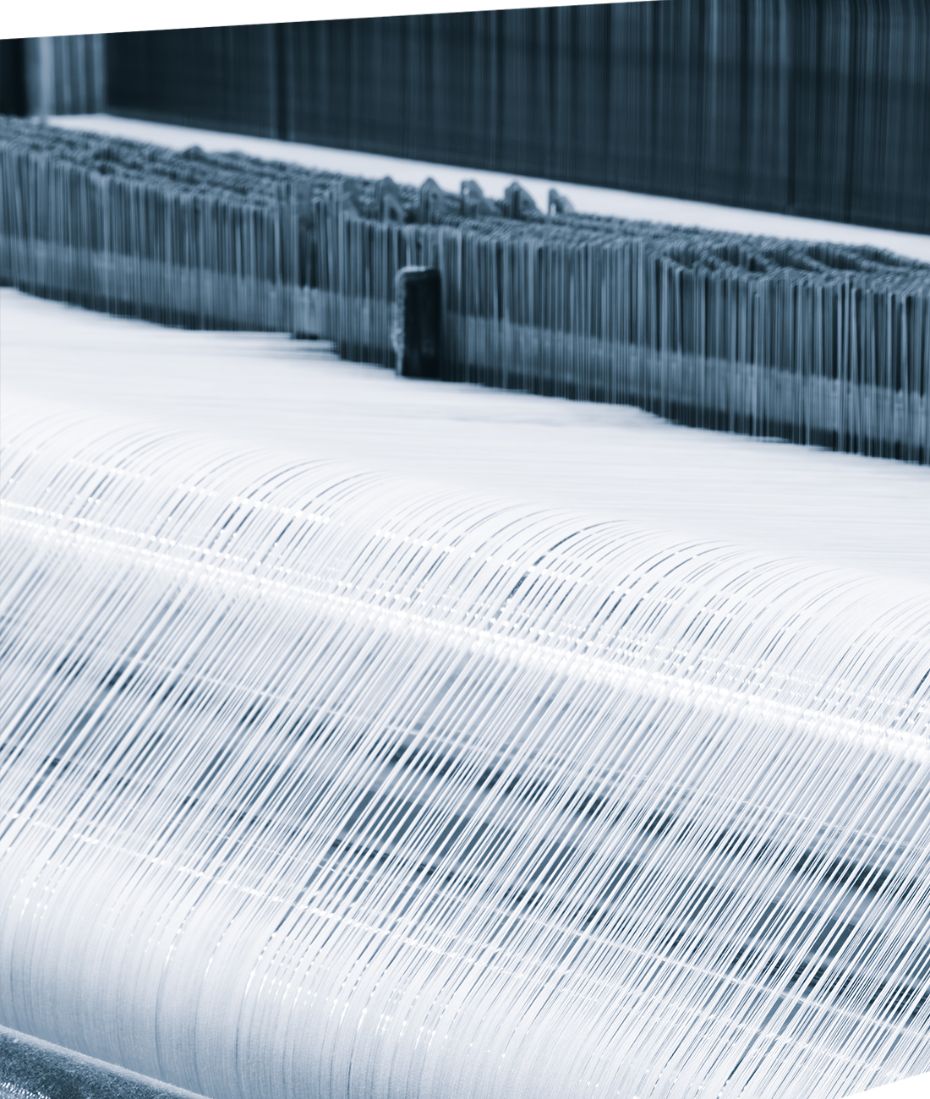
Circular Knit: Consistency and Efficiency at Scale
Circular knitting is the backbone of modern casualwear production. Our high-speed circular machines produce seamless tubes of jersey, interlock, and rib fabrics with exceptional uniformity. Every metre is produced with consistent weight, stretch, and recovery.
This technique is ideal for:
- T-shirts and basics: consistent sizing across thousands of units with minimal waste
- Performance sportswear: fabrics with built-in stretch and moisture management
- Casual everyday wear: lightweight jerseys that keep their shape wash after wash
The efficiency of circular knit also means competitive pricing without sacrificing quality, which is why it remains the go-to method for brands scaling their core ranges.
Flat Knit & Fully-Fashioned Knitwear: Precision Meets Luxury
Fully-fashioned knitting is where engineering meets artistry. Each panel is shaped directly on the machine, meaning the garment’s form is built into the fabric itself rather than cut from a flat sheet. The difference is immediately visible: cleaner seams, better drape, and a fit that follows the body’s contours.
Key advantages of this technique:
- Zero waste in shaping: panels are knit to size, reducing material loss
- Superior comfort: no bulky overlocked seams pressing against the skin
- Higher perceived value: the finishing quality signals premium craftsmanship
This is the technique behind our sweaters, cardigans, structured polos, and fashion-forward knit pieces. If your collection positions itself at the premium end, fully-fashioned construction is what backs up that price point.
Woven Fabric Production: Structure That Lasts
Some garments need body. They need crispness, weight, and the kind of structure that only woven fabrics deliver. Using advanced rapier and air-jet looms, we produce high-quality wovens for jackets, trousers, shirts, dresses, and outerwear.
Precise tension control during weaving, combined with specialised finishing treatments, gives our woven fabrics their signature hand-feel: firm enough to hold a tailored silhouette, soft enough to wear comfortably all day.
Applications range from technical outerwear and corporate uniforms to fashion pieces that demand both structure and longevity.
Full Garment Manufacturing: Vertical Control from Cut to Pack
We don’t hand off production stages to third parties. Pattern making, cutting, sewing, assembly, and inspection all happen under one roof, following detailed standard operating procedures with multiple quality checkpoints at every stage.
This vertical approach means:
Consistent sizing: no drift between batches or production runs
Clean construction: every seam, topstitch, and detail is monitored in real time
Faster problem-solving: if something needs adjusting, we catch it immediately rather than discovering it at final inspection
Whether you’re producing a 200-piece capsule or a 10,000-unit reorder, the same level of control applies to every garment.
Finishing, Dyeing & Sustainable Processes
The finishing stage is where good garments become great ones. Our modern finishing department applies a range of treatments tailored to each product’s requirements:
- Reactive and low-impact dyeing: vibrant, long-lasting colours that won’t fade
- Soft-wash, enzyme, and garment-wash techniques: premium hand-feel from the first wear
- Eco-friendly treatments: anti-pill, moisture-wicking, and wrinkle-resistant finishes
- Sustainable processes: water recycling, reduced chemical usage, and cleaner technologies
We continuously invest in processes that improve comfort and durability while reducing our environmental footprint. Many of our production lines support GOTS, OEKO-TEX®, and other certifications.
Get in contact to discuss your production requirements.
Get in touch!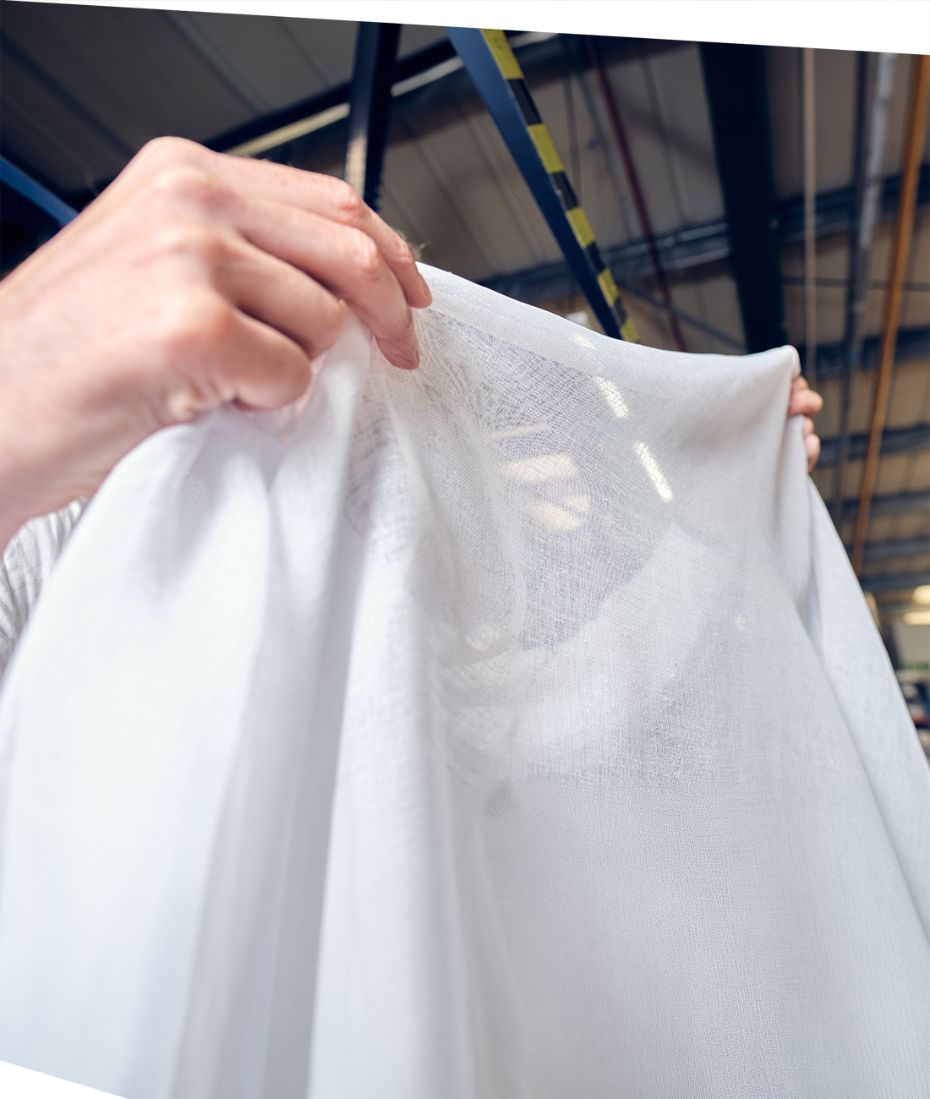
How We Support Your Production Needs
From the first conversation to final delivery, our team works alongside yours:
- Tech pack review: detailed technical recommendations before production begins
- Rapid sampling: typically 7–14 business days from approval to sample
- Flexible MOQs: accessible minimums for startups, with capacity to scale
- Custom technique selection: matched to your design, fabric choice, and budget
- Ongoing monitoring: transparent reporting at every stage of production
Frequently Asked Questions About Our Production Techniques
What types of garments can you produce?
We cover the full spectrum, from basic tees and casualwear through to premium knitwear, tailored wovens, outerwear, and performance sportswear.
Can you handle both small and large orders?
Yes. Our setup accommodates emerging brands with lower minimums as well as established labels running large-volume reorders. We’ll find the right production path for your scale.
How do you decide which technique to use for my design?
Our technical team reviews your tech pack and recommends the optimal method based on fabric type, garment construction, target price point, and end use. You always have the final say.
What’s your typical sampling lead time?
Most samples are ready within 7–14 business days. Complex pieces with multiple techniques or custom finishes may take slightly longer.
Do you offer sustainable production options?
Absolutely. We work with certified materials, low-impact dyes, water recycling systems, and eco-friendly finishing treatments. We can tailor the sustainability level to match your brand’s commitments.
Can I visit the production facility?
We welcome client visits. Seeing the process firsthand gives you confidence in our capabilities and helps us align on quality expectations.
Where are your garments crafted?
Our production is based in Portugal, combining skilled craftsmanship with modern technology and strict quality control at every stage.
What documentation do you provide during production?
You receive regular progress updates, inline quality reports, lab test results, and final inspection records. Full transparency from start to finish.